Sealed bearings offer full contamination protection at the cost of higher friction and heat, while shielded bearings allow lubricant escape but require cleaner environments. Choose based on water exposure, temperature, speed, and maintenance access.
- Sealed bearings block water and dust but trap heat and lubricant, making them better for high-contamination wet zones.
- Shielded bearings reduce friction and allow thermal expansion, but they let moisture and grit enter over time.
- Match the sealing type to water contact, operating speed, temperature, and how easily you can replace or service the unit.
Why the sealing decision is a plant-level choice, not a catalog line
Wet plant areas punish weak bearings quickly. A pump, fan, or conveyor in a washdown, chemical, or outdoor location will see water, mist, dust, and possibly abrasive particles at the same time. The seal on the bearing is the first line of defense, and it is also the first thing that fails when the design does not match the duty.
Procurement managers often treat sealed versus shielded bearings as a small spec line. In reality, the choice affects lubrication life, maintenance frequency, heat buildup, and whether the bearing is replaceable in place or whether the whole unit must come down. The wrong choice shows up later as a recurring failure, not as a one-off defect.
This guide walks through how to evaluate the decision from the buyer and engineer side. It focuses on what to verify before ordering, how to read the trade-offs, and what to ask suppliers when the application is borderline.
What actually differs between sealed and shielded bearings
The core difference is the barrier at the bore and outer race.
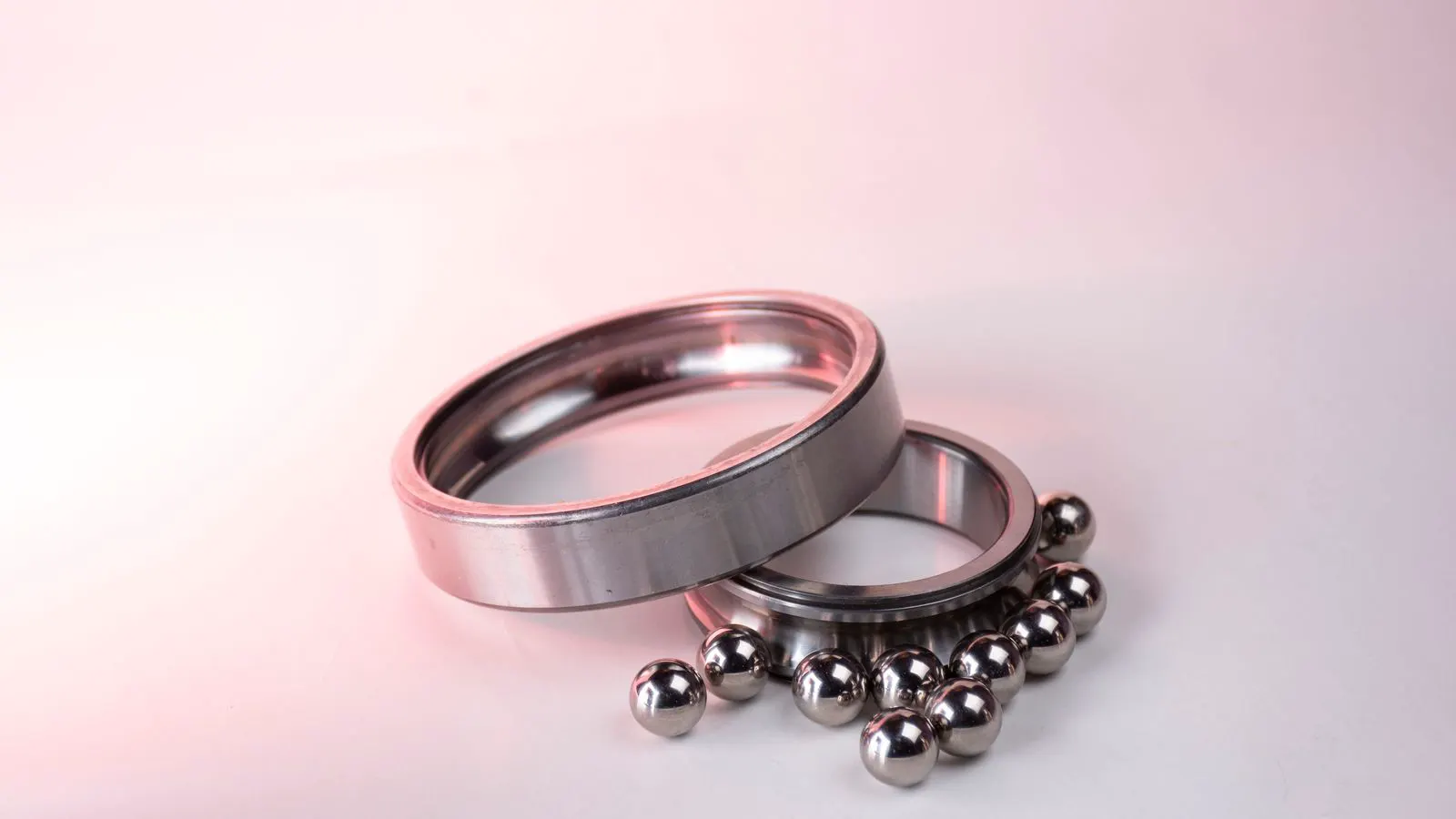
A sealed bearing uses contact or non-contact seals on both sides of the race. The seal face is either a lip that touches the race or a close-clearance shield that blocks particles. In a sealed unit, lubricant is trapped inside, and external water and dust are excluded. This is the higher-protection option.
A shielded bearing uses a thin metal shield, usually steel or aluminum, that covers the race but does not make a tight seal against it. The shield blocks coarse dust and limits lubricant loss, but fine mist, water droplets, and small particles can still enter. It is a lower-friction, lower-protection option.
The practical consequence is simple. Sealed bearings are better when the environment is wet and dirty. Shielded bearings are better when the environment is dry enough that contamination is not the dominant risk, or when heat and speed are the dominant risks.
How wet exposure changes the choice
Water is not a single threat. It enters in different forms, and each form affects the bearing differently.
Light mist from a washdown or cooling fan is less aggressive than a direct spray. A bearing exposed to mist for a few hours a day behaves differently from one that sits in a puddle or takes a high-pressure jet. If the unit can be wiped dry quickly, a shielded bearing may survive. If water can pool around the housing, a sealed bearing is the safer default.
There is also the chemical angle. In plant areas, water often carries salts, soaps, or process fluids. Even if the water itself is not corrosive, the dissolved material can attack the shield, the seal, or the lubricant over time. A sealed bearing limits this exposure. A shielded bearing relies on the shield and the lubricant to do the work.
When you are evaluating a wet area, do not ask whether the bearing gets wet. Ask how long it stays wet, how hot it gets, and whether there is any abrasive or chemical load. Those three questions drive the selection.
IP ratings and what they actually guarantee
IP rating bearings are a useful shorthand, but they are not a substitute for application analysis. The IP code describes protection against solid particles and liquids. A higher rating means more protection, but it does not tell you how long the protection lasts under your specific duty.
For a wet plant area, you generally want the highest practical IP rating that your unit can support. However, a high IP rating on a sealed bearing does not mean the bearing will never fail. It means the barrier is designed to keep water and dust out under specified test conditions. In a real plant, vibration, thermal cycling, and seal aging matter.
A common mistake is to assume that a shielded bearing with a low IP rating is automatically unsuitable for a wet area. Sometimes it is. More often, the issue is that the shielded bearing is being used where the water load is too high, or where the seal gap has been exposed to abrasive particles long enough to wear. The rating is a starting point, not a guarantee.
When comparing options, ask the supplier for the seal material, the seal design, and the test data behind the IP claim. Do not rely on the code alone.
Heat, speed, and lubrication: the hidden cost of sealing
Sealed bearings are not free. They trap heat, and they trap lubricant.
At low speed and low temperature, that is usually not a problem. The bearing runs cool, the seal holds, and the lubricant stays in place. At higher speed, or in a hot ambient, the trapped lubricant has nowhere to go. Heat builds up, the lubricant thins, and the seal may begin to degrade. In some cases, the heat generated at the raceway is enough to shorten the life even if the bearing is not mechanically overloaded.
Shielded bearings handle this better. The shield allows some lubricant to escape and some air to move, which helps with thermal balance. That is why shielded bearings are often specified for high-speed applications, even in moderately dusty environments.
The trade-off is real. If you pick a sealed bearing for a high-speed, high-temperature duty without checking the thermal margin, you may get a bearing that looks fine in the catalog but fails early in the plant. The lubricant specification matters too. A synthetic lubricant handles heat and shear better than a standard mineral oil, and it may be needed even in a sealed unit.
When evaluating the choice, ask: what is the maximum operating temperature, what is the speed, and what lubricant is specified? If the answer is high speed and high heat, a sealed bearing is not automatically the right answer.
Maintenance access and replacement strategy
A sealed bearing is often easier to keep out of the system, but it is not always easier to maintain. If the bearing is sealed and cannot be opened, you are committed to its life. If it fails, you replace it. That is clean and predictable, but it means you need a plan for downtime.
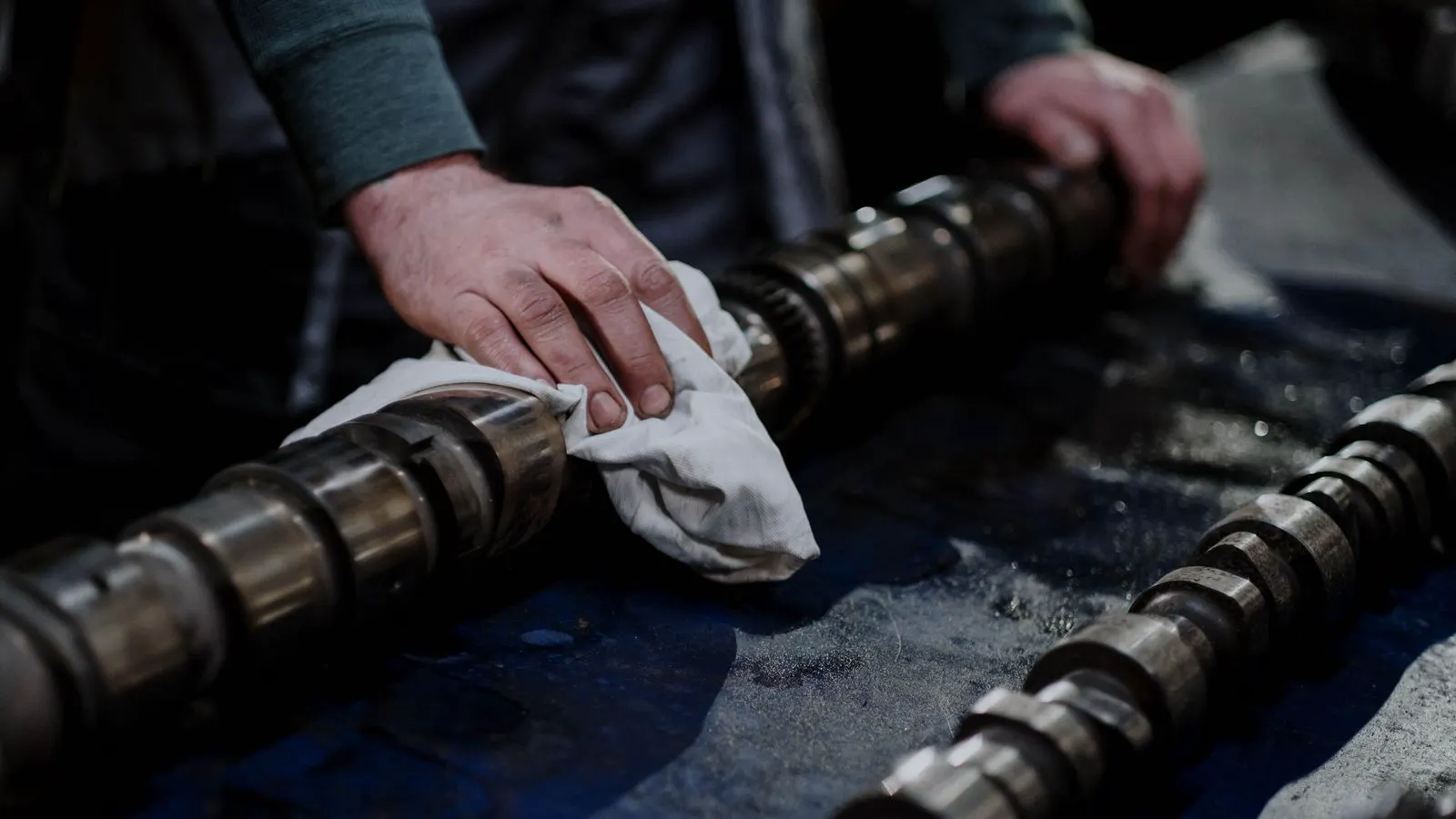
A shielded bearing is easier to service in some cases. You can clean the shield area, check for corrosion, and sometimes top up lubricant if the design allows. But if the shield is worn or the seal gap is contaminated, cleaning is not a fix. The bearing still needs to be replaced.
For procurement, the replacement strategy should match the sealing type. If you are using sealed bearings in a wet area, make sure the unit is designed for quick replacement. If the housing is deep, the mounting is awkward, or the access panel is heavy, a sealed bearing failure becomes a long outage. If you are using shielded bearings, make sure the service interval is realistic. A shielded bearing in a wet area may need more frequent inspection than the datasheet suggests.
The question to ask is not just which sealing type to buy, but how the failure will be handled. A sealed bearing in a remote pump skid is a different decision than a sealed bearing on a conveyor where the unit can be swapped in minutes.
Practical selection criteria
Use the table below when you are comparing options. It is not a pass-fail list, but it gives you a consistent way to score each candidate.
| Criterion | What to look for | Why it matters |
|---|---|---|
| Water exposure | Direct spray, mist, or occasional contact | Determines whether a sealed or shielded barrier is needed |
| Temperature and speed | High speed or high ambient heat | Affects lubricant life and seal degradation |
| Contamination load | Dust, grit, chemicals, or washdown fluids | Affects seal wear and lubricant contamination |
| Maintenance access | Easy swap, deep housing, or remote location | Determines downtime and replacement cost |
| Lubricant specification | Mineral oil, synthetic, or special grease | Affects heat handling and long-term reliability |
| Supplier support | Test data, seal material, and application notes | Helps verify that the claimed rating fits the duty |
A decision checklist for the buying team
Before you sign off on a sealed versus shielded bearing for a wet plant area, work through the checklist below. It is short on purpose. Most failures come from skipping one of these steps.
- Confirm the actual water exposure. Not the theoretical exposure, but what the bearing will see in a normal week.
- Check the speed and temperature. If either is high, verify that the sealing type will not trap heat.
- Identify the contamination load. Water alone is one thing. Water plus dust or chemicals is another.
- Decide on the lubricant. Do not assume the default grease will handle the duty.
- Confirm the maintenance plan. How will you service or replace the unit when it fails?
- Ask the supplier for the seal design and the IP test data. Do not rely on the code alone.
- Review the replacement strategy. If the unit is hard to access, make sure the sealing type matches a quick-swap design.
- Document the decision. If the application changes, you need a record of what was assumed when the bearing was selected.
If you can answer those eight items clearly, the choice between sealed and shielded bearings becomes much less ambiguous. In most wet plant areas, the sealed option is the safer default, but it is not always the best choice. The right answer depends on the specific duty, not on a general rule.
Frequently asked questions
Can I use a shielded bearing in a wet plant area?
Yes, but only if the water exposure is light and the environment is not abrasive. A shielded bearing limits coarse dust and lubricant loss, but it does not block fine mist or direct spray.
What is the main downside of a sealed bearing in a wet area?
A sealed bearing traps heat and lubricant. In high-speed or high-temperature applications, that can shorten life even if the bearing is mechanically sound.
How do I verify that an IP rating is suitable for my application?
Do not rely on the code alone. Ask for the seal material, the seal design, and the test data. The rating is a baseline, not a guarantee for your specific duty.
Should I always pick the highest IP rating available?
Not necessarily. A higher rating can mean a tighter seal, which may trap more heat or make the unit harder to service. Match the rating to the actual exposure and thermal conditions.
What lubricant should I use with a sealed bearing in a wet area?
Use a lubricant that matches the speed, temperature, and contamination load. Synthetic greases often handle heat and shear better than standard mineral oils, especially in sealed units.